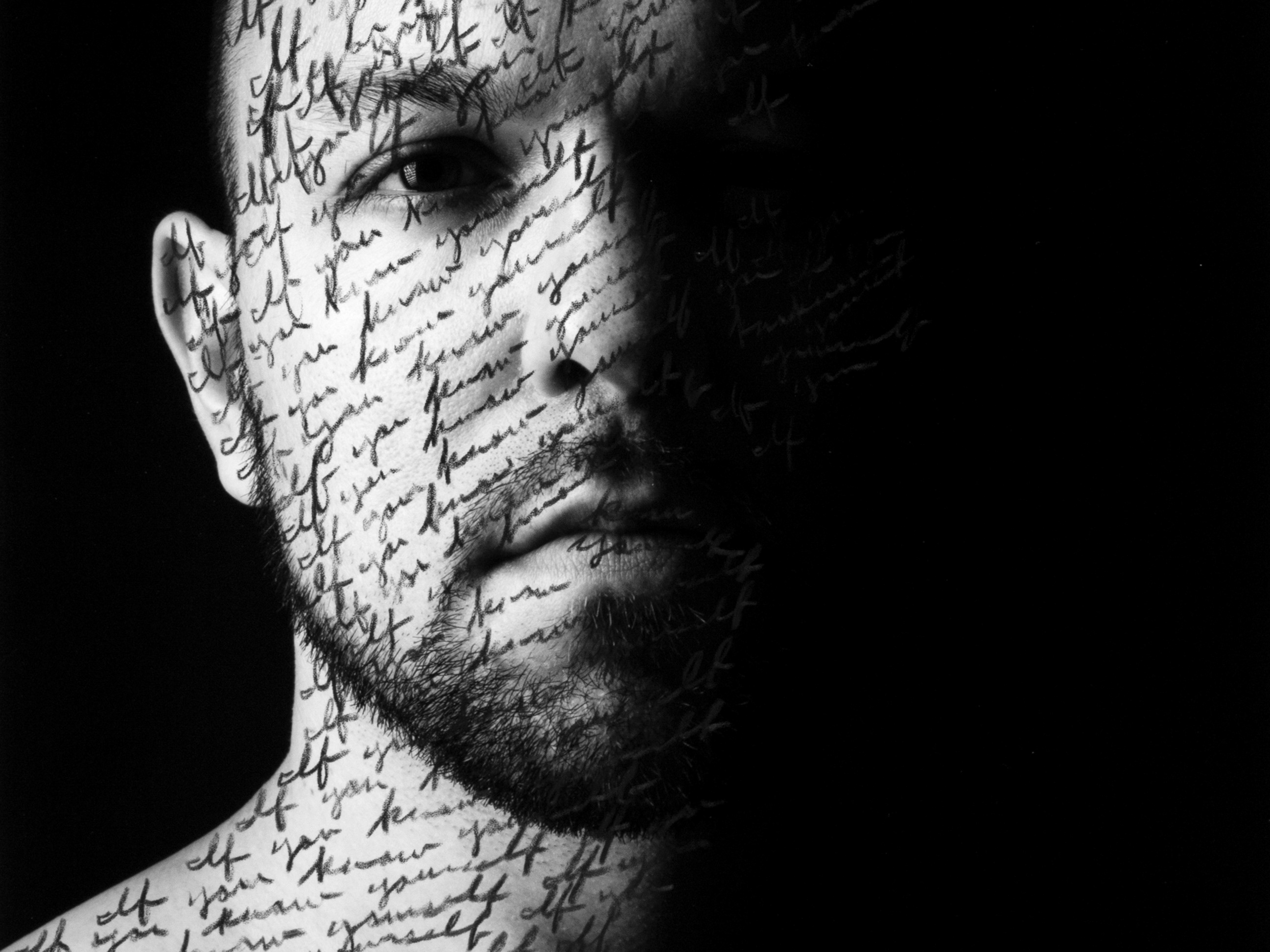
Familial Roots
Project Statement:
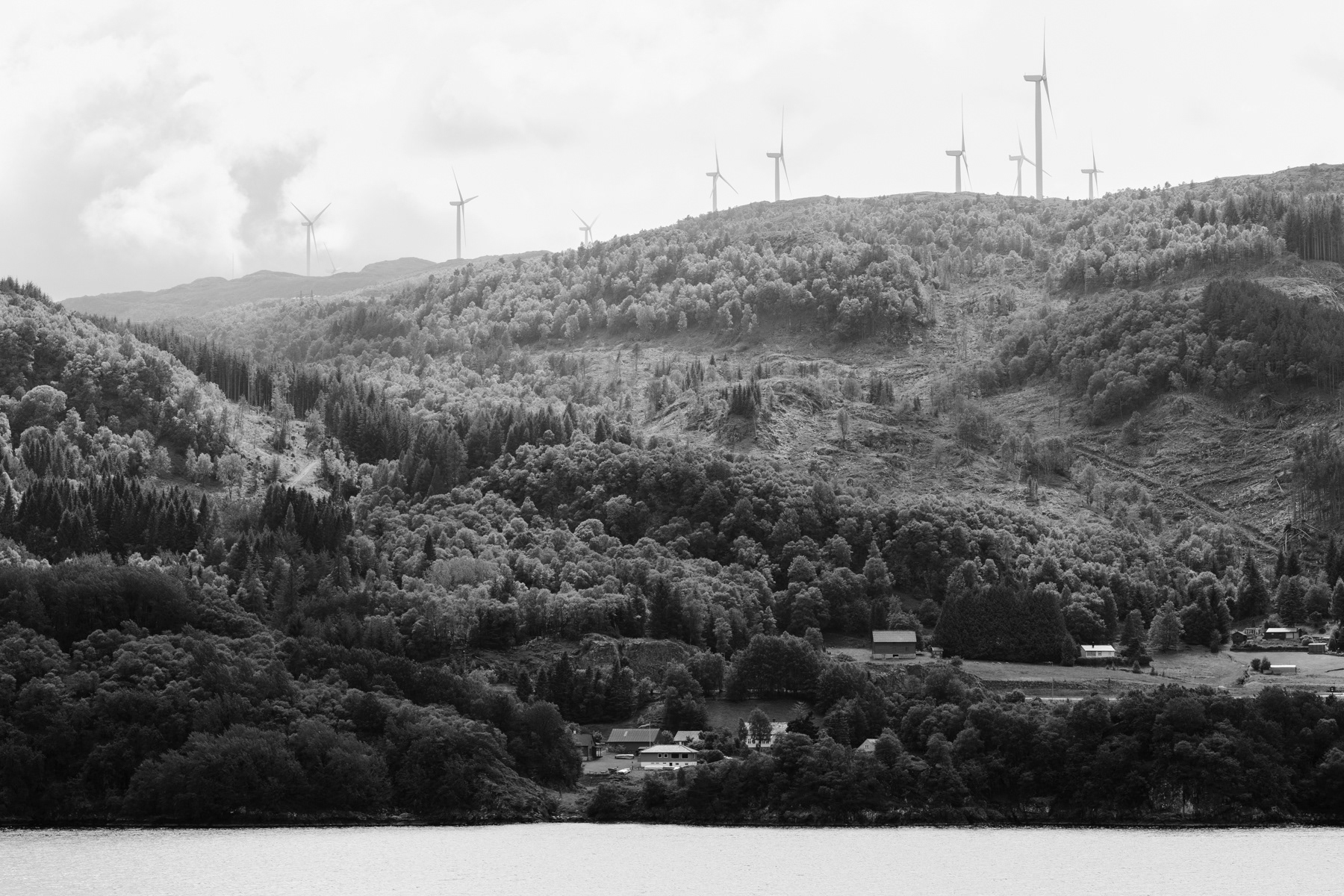
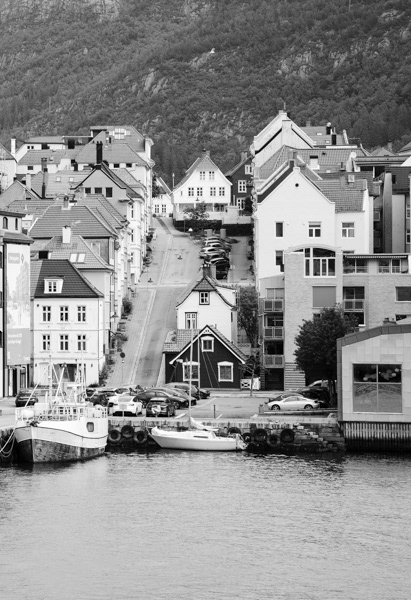
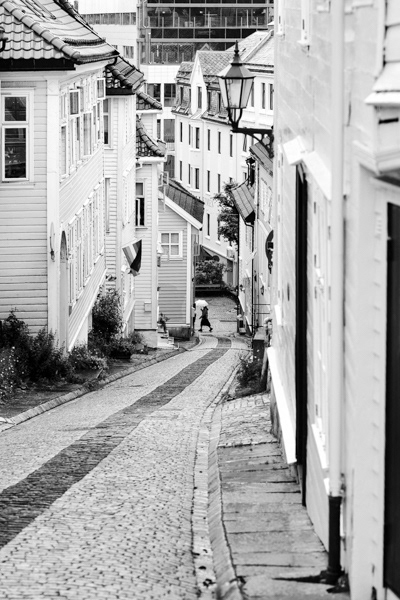
Familial Roots is an ongoing project that emerged from a visit to western Norway, specifically Bergen and the island of Finnøy, where my maternal lineage originates. I undertook the trip with the assumption that proximity to place might offer answers about personal belonging, but what I really encountered was distance.
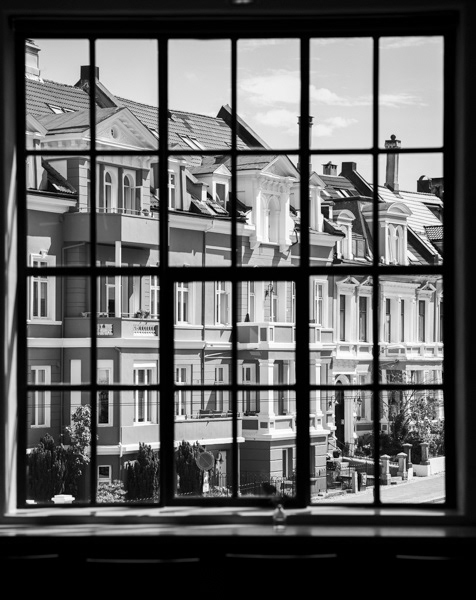
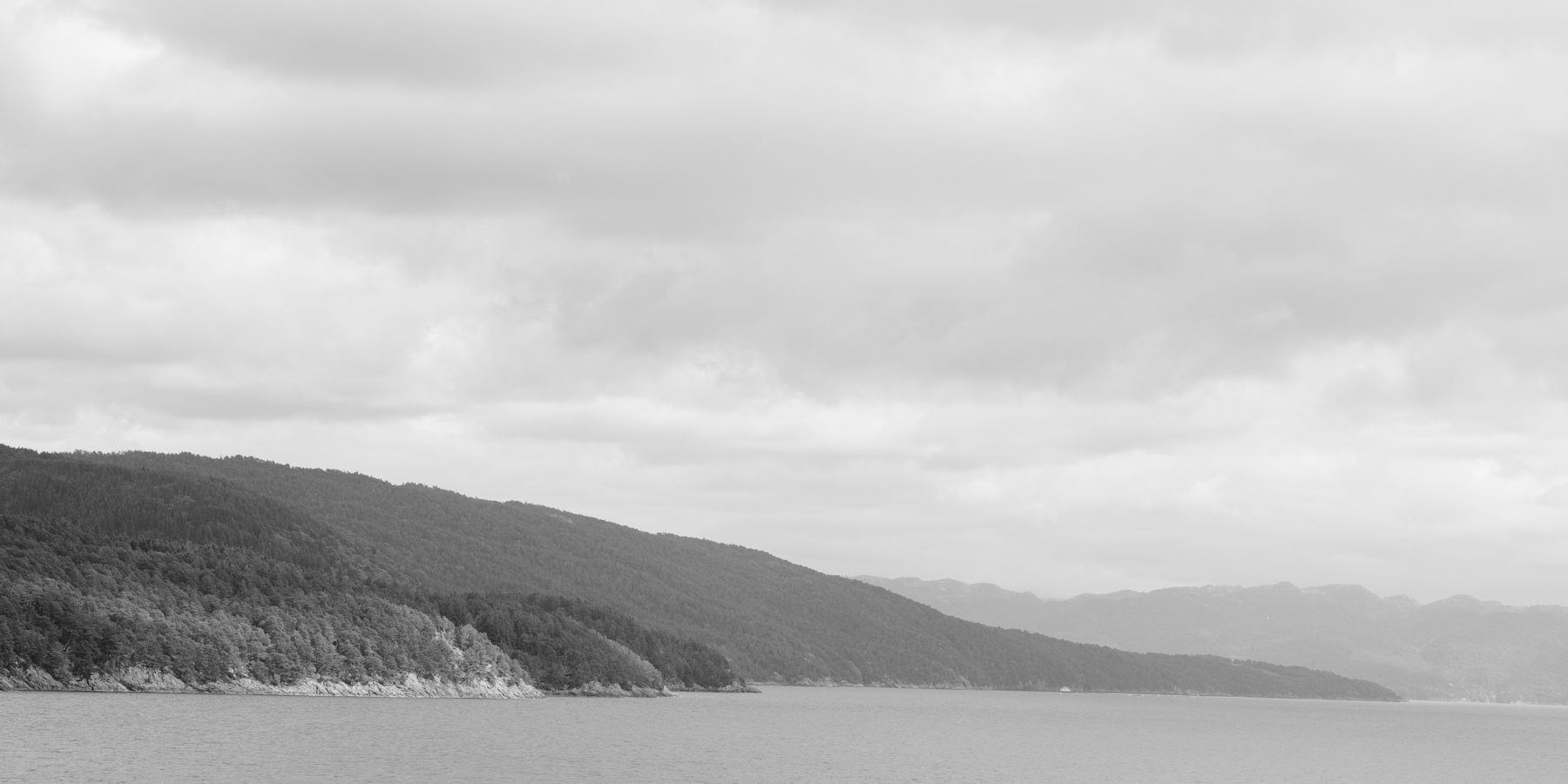
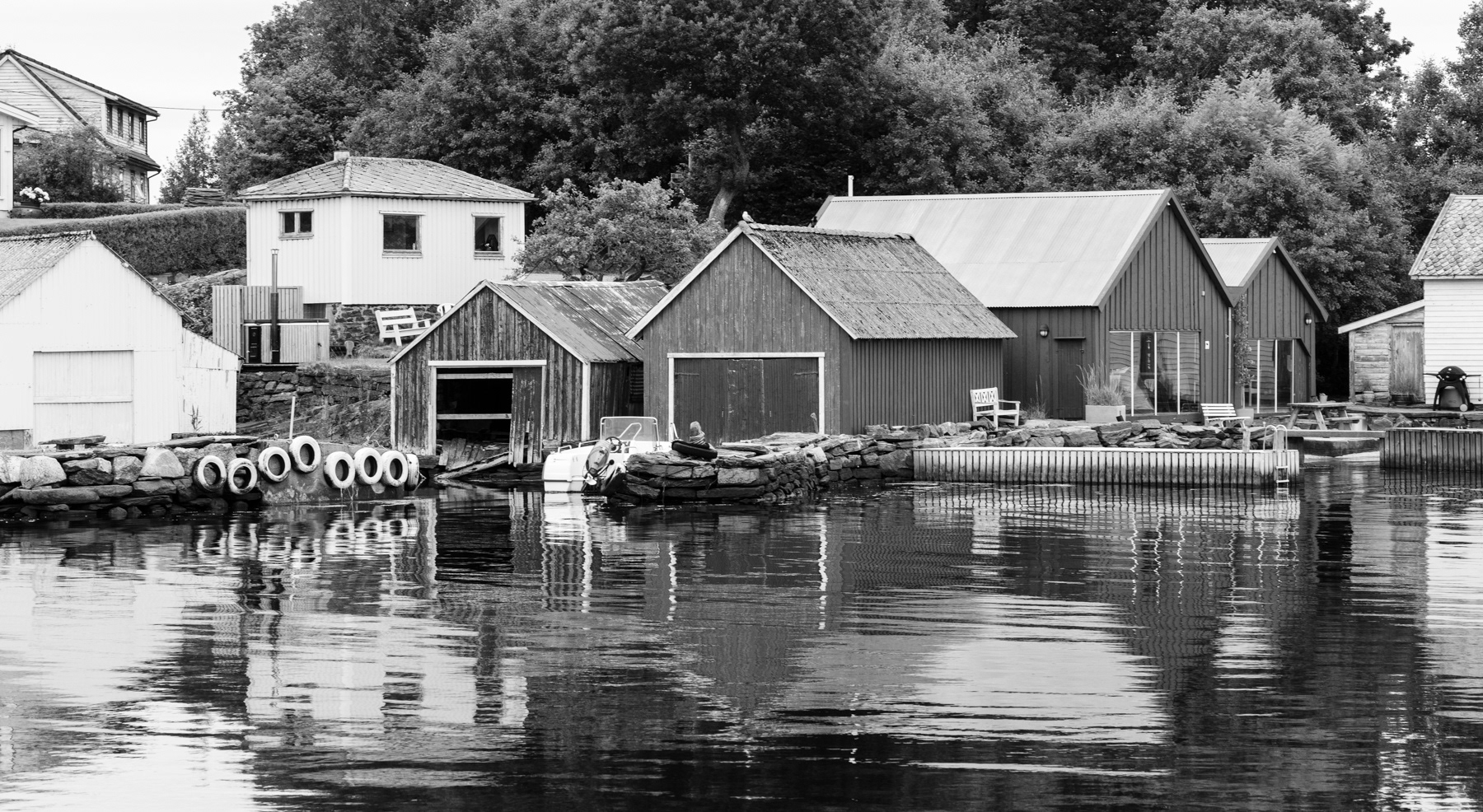
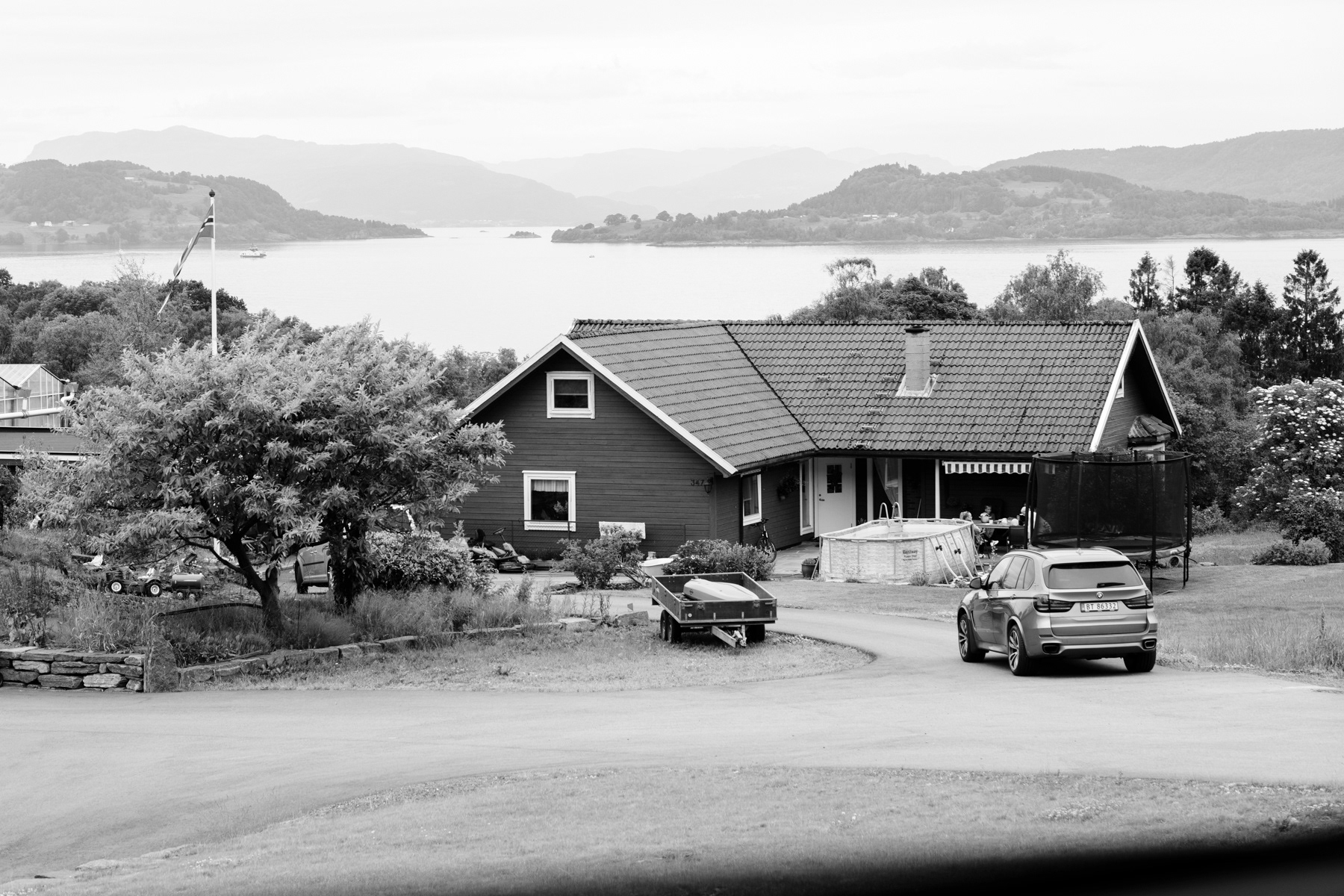
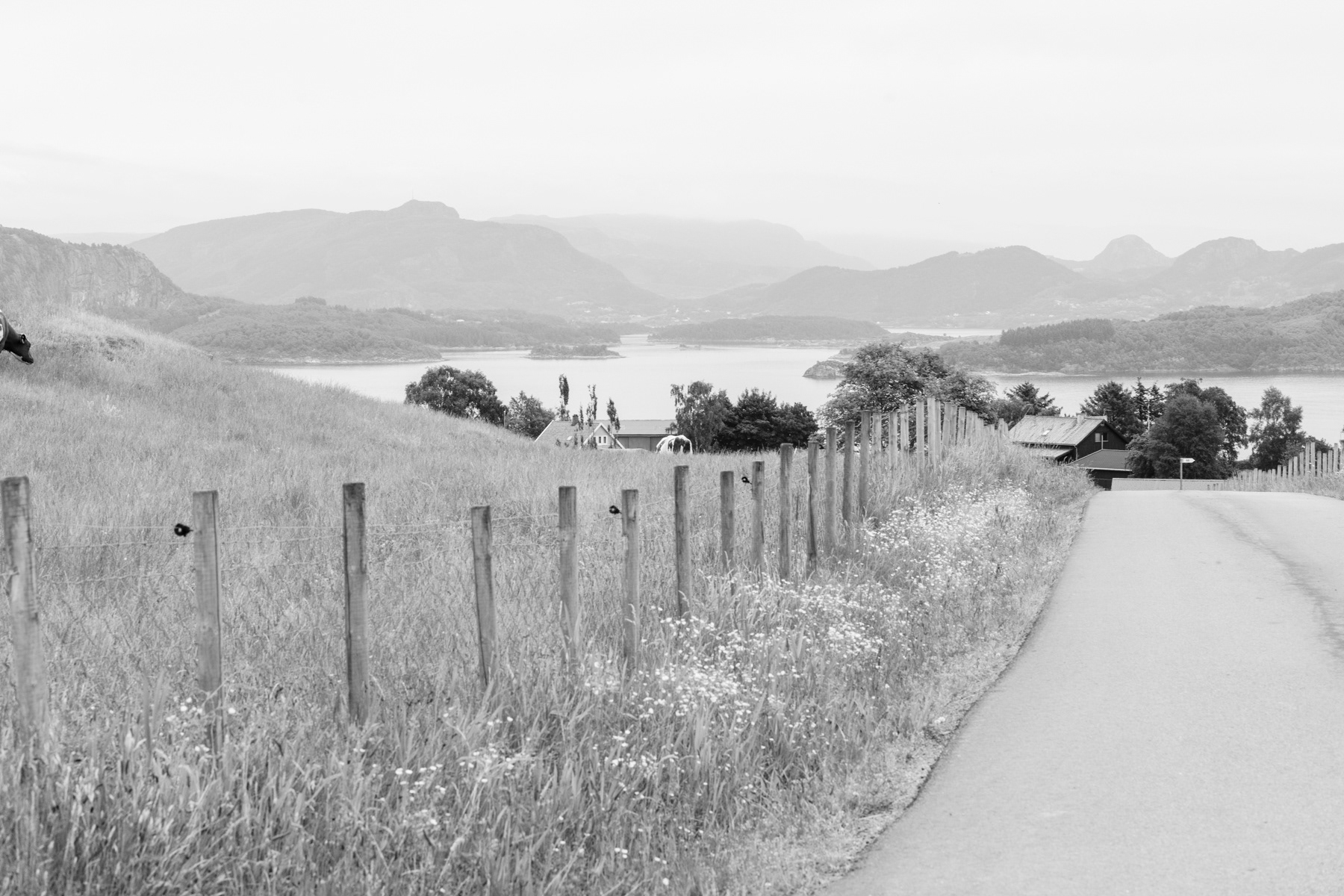
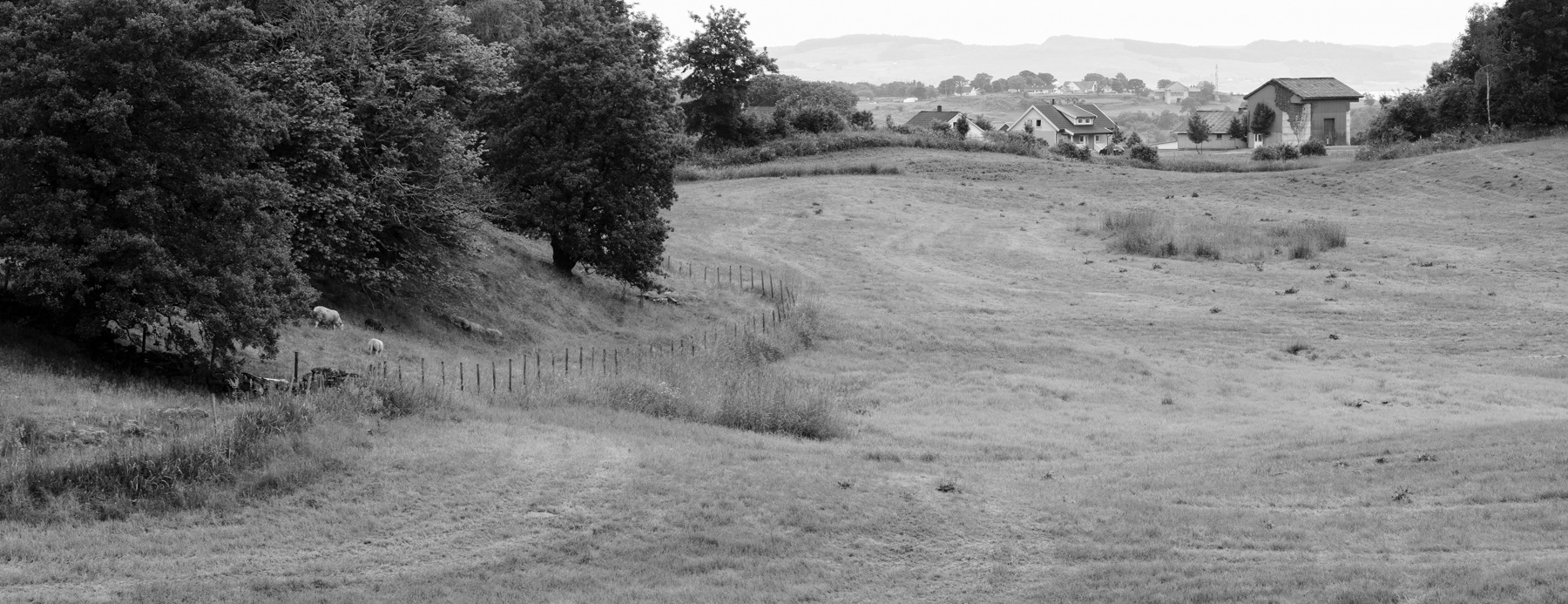
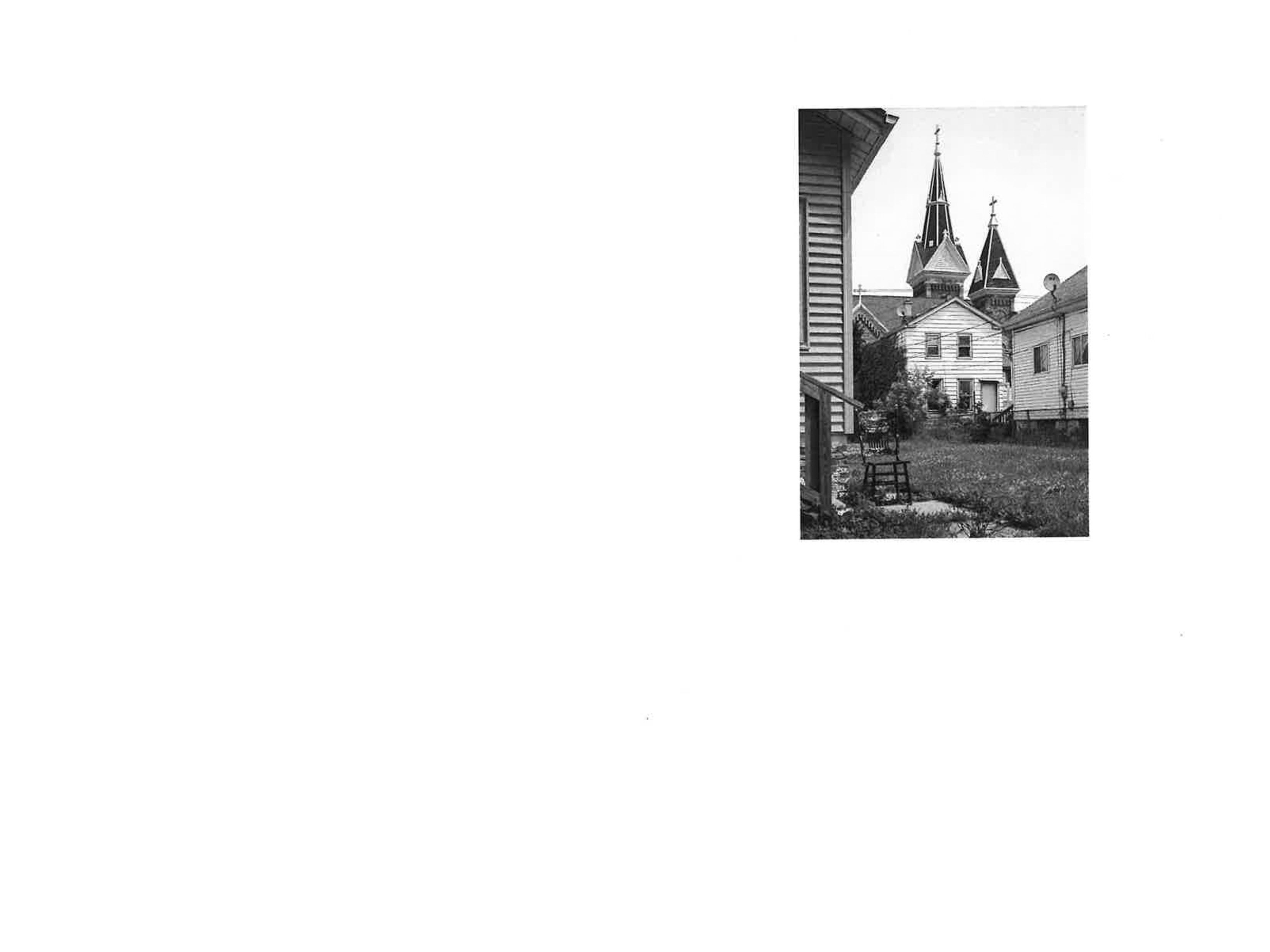
The black and white photographs from my visit depict steep cobblestone streets, coastal scenes from the ferry, grazing sheep, and quiet expanses of land. These images do not attempt to reconstruct ancestry, but instead, function more as fragmented liminal spaces that form identity.
As an American and a Navy veteran, my understanding of identity has been shaped less by geography and more by ideology. I have been indoctrinated in a culture that seems to value patriotism and service over the wellbeing of the collective. Evidence of this is embedded within my maternal family history where generations of working-class Americans voluntarily enlisted in military service. After all, serving in the military is likely one’s first taste of socialism as travel is “encouraged” and basic human needs such as housing and medical care are covered.
The benefits of serving also appeal to immigrants as a way to earn citizenship. This trend extends back to my great, great (great) grandfather who arrived from Finnøy Norway. He enlisted during the Civil War in pursuit of U.S. citizenship and settled in the midwest. A few years ago, I visited his gravestone which incorrectly identifies him as a Confederate soldier. To keep the record straight, muster reports and other official documents show he fought for the Union. The discrepancy between the engravings and truth reflect the ambiguity of inherited identity itself.
On the surface, an origin trip to Norway was an opportunity to take some snapshots of fjords while imagining how a distant relative (maybe a viking) sailed the same waters I was riding through from the comfort of a luxurious ferry. In all honesty, I felt nothing but more detachment on this journey. At what point does national identity overwrite ancestral one?
By stepping outside of the United States, I began to question whether family and ancestral distance was somehow driven by design to benefit the war machine. Nonetheless, this project does not resolve what it means to be “of” a particular heritage. Instead, it questions what really remains after generations of assimilation into “American” culture. And apparently in America, a large part of identity tends to become masked with a sense of national pride and service to country.